What is Overlanding? The Ultimate Guide to Vehicle-Based Adventure
Overlanding is vehicle-dependent, self-reliant travel to remote locations, where the journey itself is the primary goal. This guide walks you through what it is, how to start, and how to build your rig the smart way.
What is Overlanding?
Have you ever felt the pull to traverse the unknown, to travel completely self-sustained, or to outfit a 4×4 to tackle the wilderness? If so, overlanding might be for you.
You’ve likely seen it on social media. If #vanlife is about finding a scenic place to park and live, overlanding is its more rugged, adventurous cousin. Overlanding is vehicle-dependent, self-reliant travel to remote locations, where the journey itself is the primary goal.
Comfort is not the objective. Reaching a set destination by a certain time is not the point. In overlanding, the challenges you overcome and the experiences you have along the way are the destination.
The Guiding Principles of Overlanding
Unlike a typical camping trip, overlanding is defined by a specific philosophy. It boils down to three core principles.
The Journey is the Destination
Overlanders intentionally seek out the wildest, most challenging terrain—deserts, snowy passes, and deep forests—as a way to explore. The goal is not to “get there” but to experience the “getting there.”
Self-Reliance is Non-Negotiable
Most overlanding occurs in the backcountry, far from ecotourism trails, cell service, or help. This means you are your own mechanic, navigator, and first-responder.
Conservation is Critical
The entire pursuit depends on the preservation of nature. The guiding ethic is to leave the wilderness better than you found it. If we don’t protect these wild places, there will be nowhere left to explore.
The Overlanding Mindset: Your Most Important Gear
Before you spend a dollar on gear, you need the right mindset. An overlander’s philosophy is built on grit—that internal drive to survive and solve problems.
More than any piece of equipment, you need a willingness to take risks, get your hands dirty, and embrace challenges. Problems will arise on the trail. A tyre will puncture, a wrong turn will be made, and the weather will change. The right attitude is what turns a trip-ending disaster into a great story.
The Overlanding “Rig”: Your Home on Wheels
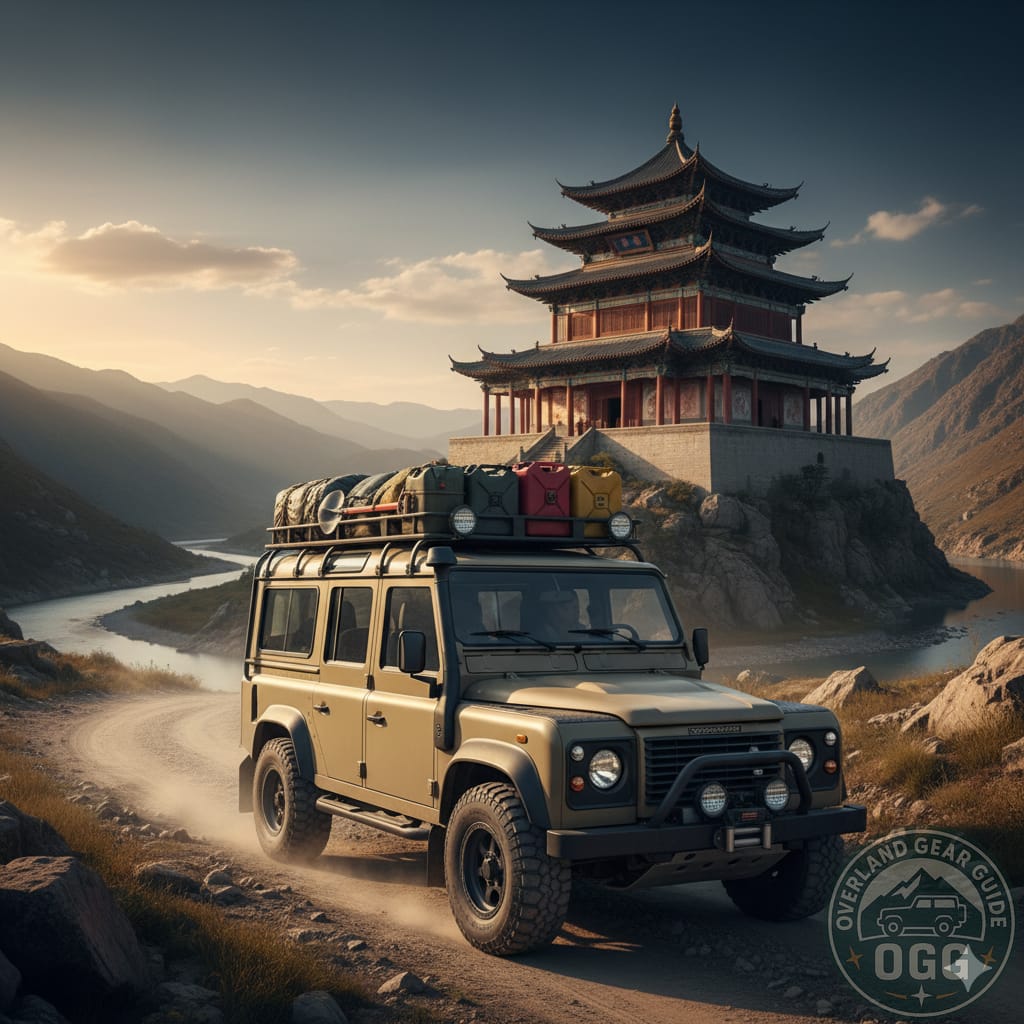
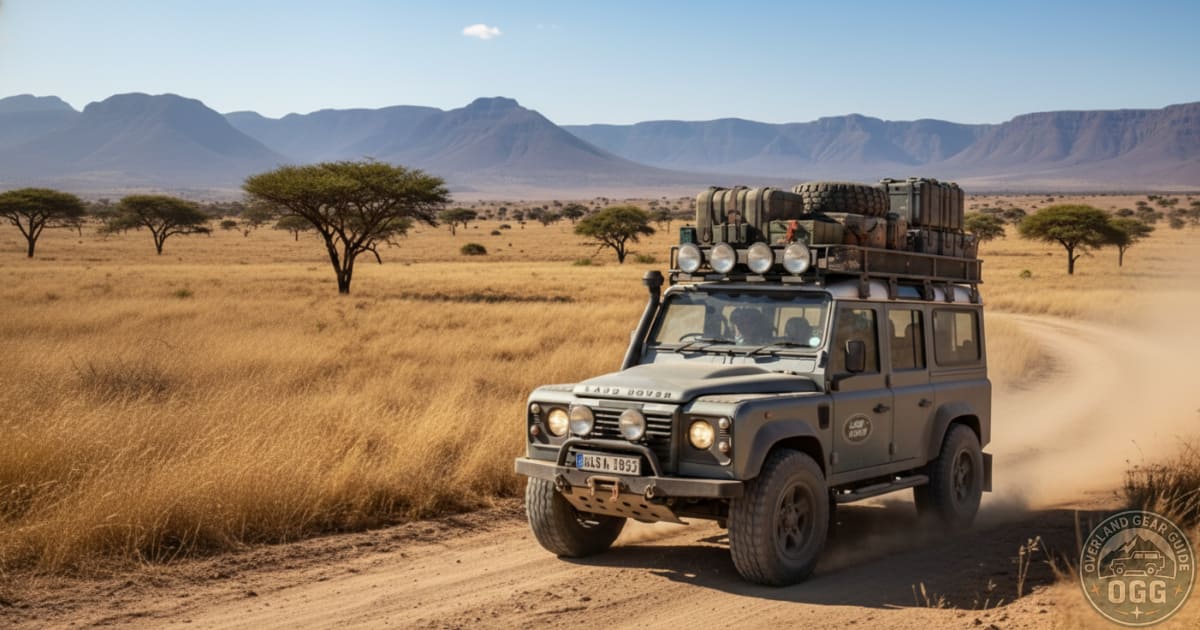
A rig is the popular term for an overlanding vehicle. The key is that it must be reliable, consistent, and capable of handling the terrain you want to tackle.
Popular Platforms
In the U.S., popular starting points include Toyota 4Runners, Tacomas, and Land Cruisers; Jeeps; the new Ford Bronco; and various Dodge, GMC, and Ford trucks. In other regions you’ll see Defenders, Patrols, HiLuxes, Jimnys, vans and more.
The “Right Rig” is Your Rig
Capability is relative. If you plan on rock-crawling, a Porsche Cayenne is a bad choice. But if you’re exploring forest service roads, it might be perfect. We’ve seen people overland in everything from three-wheelers to Subarus. If it’s reliable and gets you out there, it’s the right rig.
The Bare Necessities: Your Overlanding Kit
Part of being self-sufficient is having everything you need for both your vehicle and yourself.
Vehicle Essentials
- A Well-Maintained Vehicle: Your most important tool is a rig in good working order.
- Recovery Gear: At a minimum, this includes traction boards, a recovery strap, and shackles. As you advance, a winch becomes invaluable.
- Full-Size Spare & Tyre Kit: You must have a full-size spare tyre and all the tools to change it (a jack, tire iron, etc.). More importantly, you need to know how to use them.
- Vehicle Repair Kit: A basic toolkit, spare fluids, and parts specific to your vehicle (like belts and hoses) are critical.
- Fuel and Water: Always carry extra gas and more water than you think you’ll need.
- Navigation: A compass, physical maps, and a GPS unit (or app) are non-negotiable.
Personal Essentials
This is the basics of camping gear.
- Shelter: A ground tent, rooftop tent (RTT), or a sleep system inside your vehicle.
- Food & Cooking: A stove, fuel, and non-perishable food.
- Clothing: Appropriate layers for the environment (warm, cool, and waterproof).
- First-Aid: A comprehensive first-aid kit.
Start Simple, Start Now: The “Build as You Go” Method
It’s tempting to see a “finished” rig on Instagram and think you need $20,000 in upgrades to start. This is the biggest myth in overlanding.
Start with a minimalist approach. Carrying gear you don’t need weighs down your vehicle, burns more fuel, and makes it harder to stay organized.
Your first few trips will be your greatest teacher. You’ll quickly learn what you actually need versus what you thought you’d need. You’ll discover that a comfortable sleeping setup is more important than a $500 light bar.
Start with the essentials, gain experience, and let your trips dictate your upgrades. It’s far easier to add gear over time than to haul around a truck full of gadgets you never touch.
Building Your Dream Rig: Common Upgrades
As you gain experience, you’ll want to modify your rig. This is where the fun begins. Most overlanders are DIYers at heart, willing to put in sweat equity to build a vehicle perfect for them.
The “Big 3” (Tyres, Suspension, Armour)
The first and most impactful upgrade is a set of durable all-terrain or mud-terrain tyres. This is followed by upgraded suspension (shocks) or a full lift, and armour like rock sliders to protect your vehicle.
Utility & Comfort
These mods make life on the trail easier:
- Roof Racks & Tents (RTTs): RTTs are popular because they are easy to set up and don’t take up storage space inside the vehicle.
- LED Light Bars: To improve visibility and safety at night.
- Awnings: For quick, reliable shelter from sun and rain.
- 12V Fridge: A game-changer for keeping food fresh.
- Snorkel: Lifts your engine’s air intake to avoid dust and water.
Planning Your First Trip
You don’t need to plan a 10-day Saharan crossing. Your overlanding journey starts with research.
- Read: Read about your destination. Study maps of the terrain.
- Read Your Manual: Actually read your vehicle’s user manual. Know what every button does. Understand its 4WD system.
- Start Small: Your first trip should be a “shakedown”—a simple weekend trip close to home. This lets you test your gear and systems in a low-risk environment.
You’re Not Alone: The Overlanding Community
Part of what makes overlanding so rewarding is the global community.
Online
Forums like Expedition Portal and Overland Bound are goldmines of advice, trip reports, and build threads. Reddit’s r/overlanding is another fantastic resource.
In-Person
Local and national meetups, 4×4 club gatherings, and large expos are perfect for seeing other builds, learning from seasoned travelers, and finding inspiration.
Social Media
Channels like Venture4WD, LiteBrite, and Desk to Glory offer practical how-tos and inspiring stories.
Tapping into this network is the best way to shortcut your learning curve and find hard-earned advice—whether it’s on a specific trail, a piece of gear, or how to finance a long-term adventure.
The Real Reward: The Road Less Traveled
Ultimately, overlanding is about freedom. It’s the freedom to blaze your own trail and move beyond the usual campgrounds. America’s public lands (like BLM and Forest Service tracts) offer millions of acres and countless scenic routes waiting for responsible adventurers.
The real joy comes from taking that unmarked turnoff. It’s in discovering hidden vistas, secluded lakes, and quiet forests you’d never see from the highway. Exploring the road less traveled lets you experience nature on your own terms, builds your confidence, and creates the unforgettable memories that are the true heart of overlanding.
Further Reading & Ebooks
Want to go deeper on safety, borders, and long routes after this 101? These two titles expand the playbook:
Also Popular: Overland with Confidence

Explore the World Without Fear. A safety-first guide with verified low-risk routes, region-by-region insights, security protocols, prep checklists, and seasoned traveler tips to keep every mile confident and enjoyable.
Affiliate link — thank you for supporting free tools and guides.New: The Ultimate Overlander’s Guide to South America

Your South American Overlanding Adventure Starts NOW! Expert rig setup, masterful route planning, cultural tips, border crossing guidance, safety protocols, maps, and hard-won wisdom from seasoned travelers—so you can roam the Andes, Atacama, and Amazon with confidence.
Affiliate link — supports more free guides like this.Overlanding FAQ
Is overlanding the same as off-roading?
Not quite. Overlanding is long-distance, self-sufficient travel where the journey is the goal. Off-roading usually focuses on challenging trails or obstacles as a short activity. Overlanding can include off-road sections, but it also covers logistics, campcraft, repairs, and long-term travel.
Do I need a 4×4 to start overlanding?
No. Many people begin on graded gravel or forest service roads in AWD or high-clearance vehicles. A true 4×4 becomes important as you move into more technical terrain, soft sand, or deep mud—but you can start learning the basics without it.
Is overlanding expensive?
It can be, but it doesn’t have to be. If you focus on a well-maintained vehicle, basic camping gear, and simple trips close to home, costs stay manageable. Most big-ticket mods are optional and can be added gradually.
Is overlanding safe to do solo?
Solo overlanding is possible, but it demands more planning and conservative decision-making. Start with easier trips, share your route with someone at home, carry a satellite communicator if you’re going remote, and build your recovery and self-rescue skills first.
How do I find legal places to camp?
Use official maps and apps for public lands, forestry areas, and designated wild camping zones. Always respect local regulations, fire bans, and “no camping” signs. When in doubt, ask rangers or local authorities, and leave every site cleaner than you found it.